Warehouse relocation is one of the most complex decisions an operations leader can face. It affects freight costs, service levels, workforce stability, and long-term growth capacity. For Australian logistics managers and business owners, the choice is rarely simple. This guide examines when relocation makes strategic sense, what risks to consider, how costs are structured, and how to plan a move with minimal operational disruption and risk.
This article is based on independent research drawn from Australian government publications, national transport frameworks, workplace safety regulators, and recognised logistics industries.
What Is Warehouse Relocation?
Warehouse relocation is the process of moving warehouse operations, inventory, systems, and equipment from one facility to another to support business growth, compliance, or logistics efficiency.
National Freight & Supply Chain Strategy shows that warehouse relocation often links to freight network changes, rising lease costs, automation upgrades, or shifting customer demand across states. It applies to industrial warehouse relocation, commercial warehouse relocation, and logistics warehouse relocation across sectors such as manufacturing, retail, and third-party logistics.
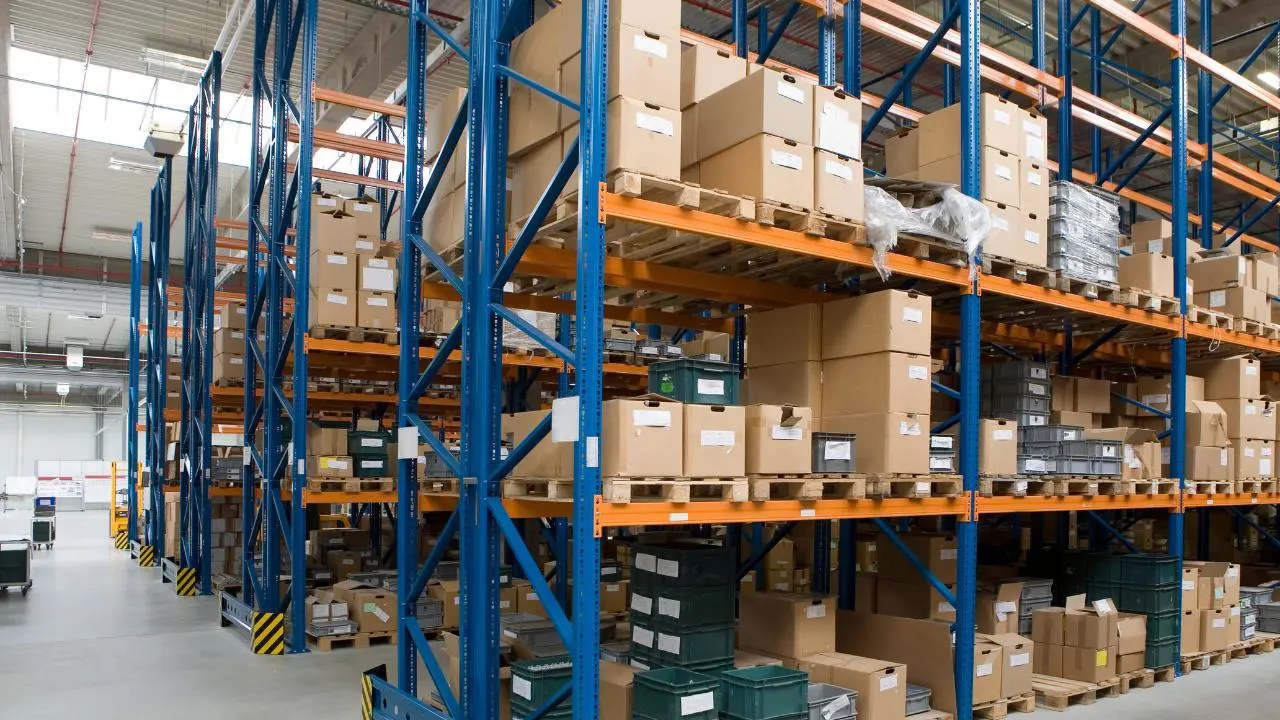
A full relocation involves transferring all stock, plant, warehouse racking, IT systems, and labour operations to a new site. A partial move may involve splitting operations, relocating selected functions, or moving high-volume SKUs first.
Relocation is different from minor layout adjustments. It is a structural shift in location, capacity, and operating model. For mid- to senior-level supply chain professionals, it is a strategic decision with long-term operational impact.
When Should a Business Relocate a Warehouse?
Research shows that relocation is usually a last-resort decision, made when warehouse optimisation no longer solves structural limits. Australian logistics advisors consistently point to a few clear signals.
Common indicators include:
- Physical space limits: Storage density and throughput are capped even after layout changes.
- Location inefficiency: Freight times, fuel costs, or driver hours increase due to poor site access.
- Compliance constraints: Zoning, fire safety, or workplace health standards restrict expansion.
- Growth pressure: Forecast volumes exceed the site’s capacity within five to ten years.
- Labour challenges: Workforce access becomes harder due to distance or transport issues.
According to the Australian Logistics Council, delaying relocation after these signals appear often leads to higher operating risk and rising hidden costs. If a warehouse regularly relies on temporary storage, overtime, or off-site overflow, relocation should be assessed seriously.
Warehouse Layout Planning Before Relocation
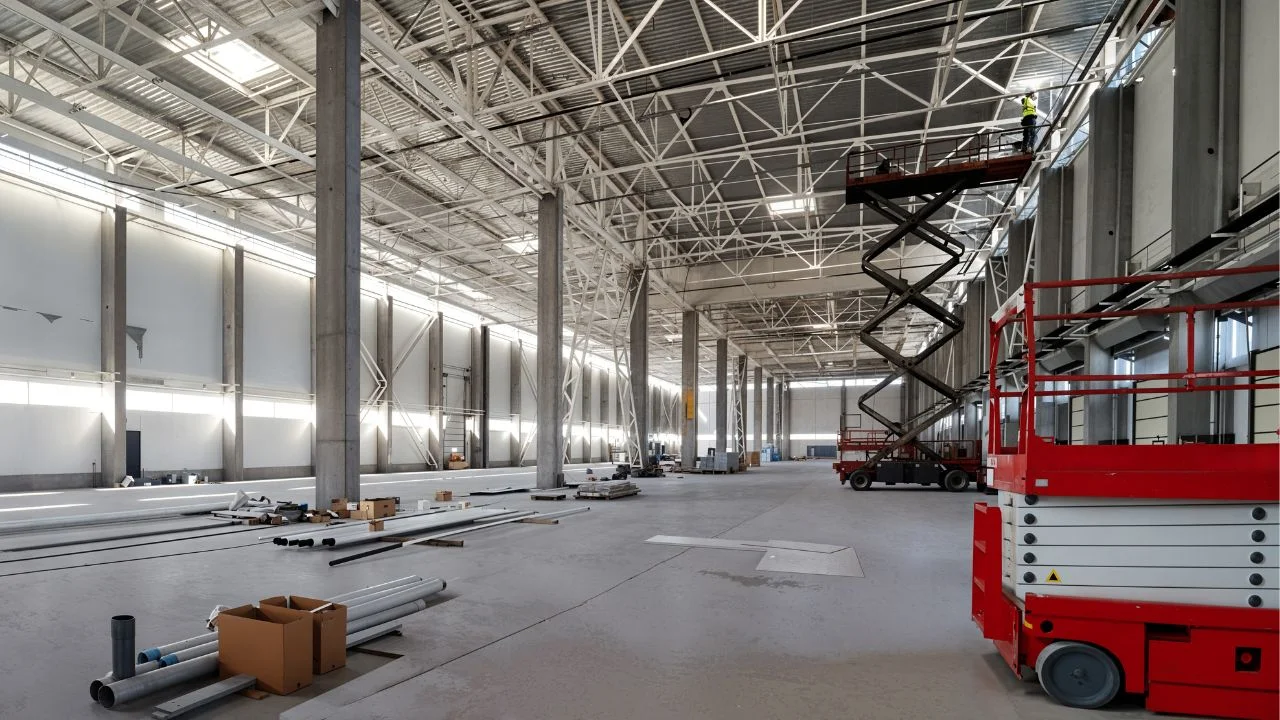
Warehouse layout planning comes before property selection. Without it, relocation becomes guesswork. Layout planning helps determine whether a new warehouse will meet demand for the next 5 to 10 years. It considers pallet positions, SKU growth, automation needs, labour availability, and transport access.
Bureau of Infrastructure and Transport Research Economics highlights that freight infrastructure planning must be based on projected future demand and long‑term forecasts, not just current load and utilisation levels, to support efficient supply networks. Key planning inputs include:
- Forecasted sales volume by region
- SKU proliferation trends
- Handling type: pallet, carton, or each-pick
- Required storage type: ambient, temperature-controlled, dangerous goods
- Future automation or robotics integration
Relocating without validated forecasts creates a common failure: moving into a facility that is undersized within three years. Warehouse capacity planning is not optional. It defines whether relocation will solve the problem or simply reset the clock.
How to Strategically Relocate a Warehouse?
A warehouse relocation strategy aligns operations, logistics, finance, and IT into a structured roadmap. According to the Chartered Institute of Logistics and Transport Australia, supply chain decisions should integrate transport planning, site design, and digital systems from the outset.
A strong warehouse relocation strategy includes:
- Defined objectives and performance metrics
- Freight network modelling
- Site selection criteria
- Capital expenditure planning
- Workforce transition planning
- IT and WMS integration mapping
Relocation decisions should connect directly to overall supply chain strategy. For example, if the business shifts toward same-day metro delivery, warehouse location must support that promise. Relocation is not a facilities decision alone. It is a network redesign exercise. that may include warehouse mezzanine floor installation or other capacity-boosting measures.
Warehouse Relocation Process: Step-by-Step Overview
A structured warehouse relocation process reduces operational shock.
1. Site Feasibility and Compliance Review
Assess zoning, building classification, fire compliance, and heavy vehicle access. Confirm compliance with state planning frameworks and national construction standards.
2. Capacity and Layout Validation
Validate warehouse layout design, dock numbers, and storage density. Confirm slab load capacity for racking or automation.
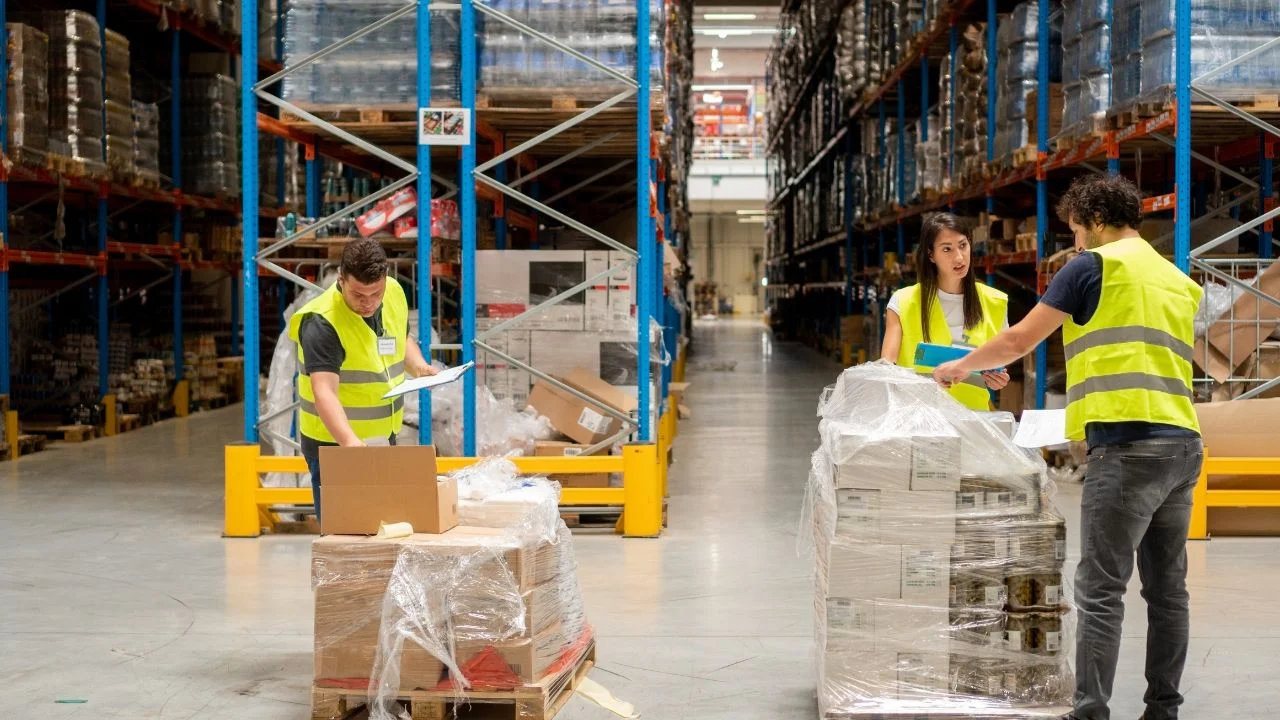
3. Inventory Mapping and Move Sequencing
Classify stock by velocity and value. Plan phased relocation to reduce service disruption.
4. Engage Warehouse Relocation Services
Differentiate between basic movers and end-to-end warehouse relocation providers. End-to-end services include warehouse racking relocation, WMS transition, and project management.
5. Equipment Dismantling and Transport
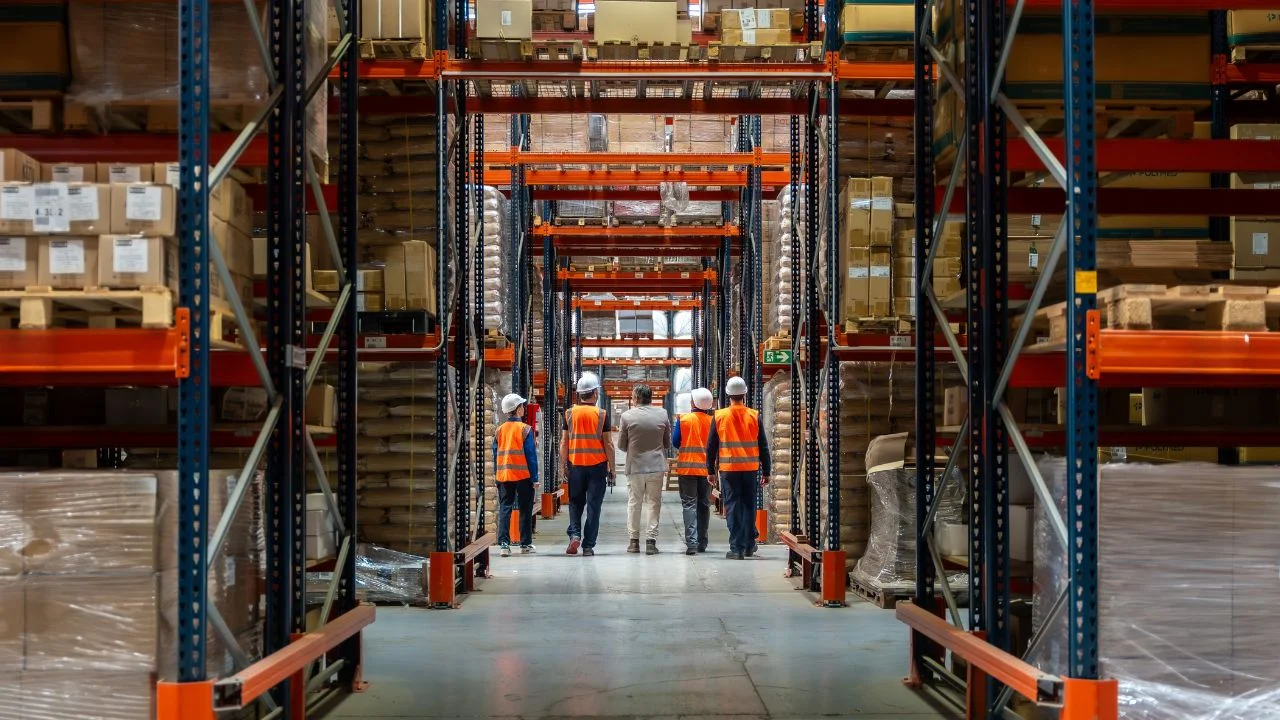
Safely dismantling warehouse racking requires following a strict, planned approach in accordance with WorkSafe Victoria guidelines to manage risks of collapse and manual handling injuries.
6. System Cutover
Coordinate ERP and WMS migration. Test integrations before operational restart.
7. Operational Restart and Stabilisation
Rebuild pick paths. Validate inventory accuracy. Monitor throughput daily during the first month.
Each phase requires tight project management to improve warehouse efficiency.
Warehouse Relocation Duration and Factors in Australia
Warehouse relocation duration varies widely. Small facilities may complete relocation in a few months. Medium industrial warehouses often require extended planning and staged transfer. Large automated distribution centres may take considerably longer. Infrastructure Australia shows that freight network assessments and compliance reviews alone can add significant lead time to warehouse relocation projects.
Factors affecting the timeline include:
- Level of automation
- Inventory volume
- Industry compliance requirements
- Custom racking design
- IT integration complexity
Relocation should never be rushed. Most delays occur during approvals, IT migration, and workforce coordination.
Common Risks When Relocating a Warehouse
Relocation carries measurable operational risk.
Common risks include:
- Unplanned downtime affecting customer service
- Inventory damage or shrinkage during transport
- WMS and IT integration failure
- Workplace injury during dismantling or reassembly
According to Work Health and Safety Queensland, manual handling and plant relocation present elevated risks during large-scale warehouse moves, making structured risk management and trained personnel essential.
Structured project management reduces these risks through:
- Defined governance and reporting
- Risk registers and mitigation plans
- Phased inventory transfer
- Parallel system testing
- Contractor compliance verification
Industrial warehouse relocation requires discipline similar to a capital works project. Informal planning increases financial exposure.
Warehouse Relocation Checklist
A high-level warehouse relocation checklist should include:
- Confirm relocation objectives and success metrics
- Complete warehouse space optimisation planning
- Validate financial feasibility and warehouse relocation cost drivers
- Conduct compliance and zoning review
- Engage qualified warehouse relocation services
- Develop a warehouse relocation timeline
- Map IT system dependencies
- Prepare contingency and rollback plans
- Communicate workforce transition strategy
This checklist supports warehouse relocation planning without locking the business into premature capital commitments.
Warehouse Relocation Cost in Australia
Warehouse relocation costs vary significantly by facility type and complexity.
Cost drivers include:
- Inventory volume and handling requirements
- Warehouse racking relocation and reconfiguration
- Transport distance
- IT system migration
- Downtime impact
- Labour redundancy or retraining
- Lease exit penalties
The Australian Bureau of Statistics shows that rising construction and freight input costs influence overall relocation budgets.
Warehouse Relocation vs Warehouse Optimisation
When deciding between relocating a warehouse or warehouse optimisation of an existing facility, businesses must weigh long-term capacity, compliance, freight efficiency, and disruption risk. The table below summarises how each option compares across these key factors.
| Decision Factor | Relocation | Optimisation |
| Long-term capacity | Enables structural expansion | Limited by the building envelope |
| Compliance upgrade | The new site may meet modern codes | Retrofits may be constrained |
| Freight efficiency | Can reduce linehaul distance | Limited impact if the location is fixed |
| Disruption risk | High short-term | Lower short-term |
Relocation becomes the lower-risk option when structural constraints block growth. Delaying relocation may reduce short-term capital spend but increase long-term freight and labour inefficiency.
Choosing Warehouse Relocation Services in Australia
Warehouse moving services vary widely. Basic providers focus on physical transport. End-to-end warehouse relocation services manage planning, warehouse storage, racking relocation, racking safety standards, sequencing, and IT coordination.
When selecting a provider, assess:
- Experience with industrial warehouse relocation
- Safety compliance knowledge
- Insurance and risk coverage
- Project management capability
- Understanding of warehouse efficiency improvement metrics
Safe Work Australia emphasises that complex warehouse relocations require contractors with formal safety systems and operational risk controls, as general removal companies typically lack the logistics expertise needed for industrial environments.
For comprehensive warehouse relocation support in Australia, businesses can rely on Rackking for planning, execution, and compliance guidance.
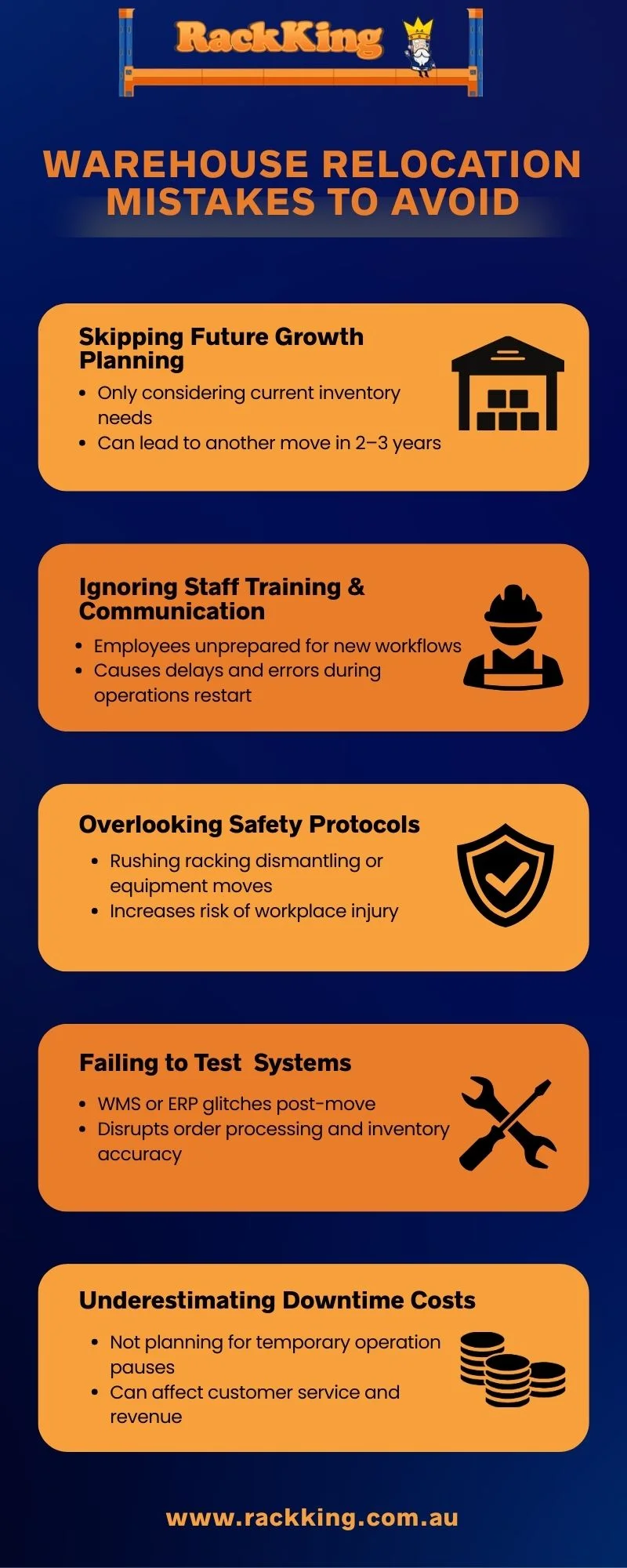
Warehouse Relocation Mistakes to Avoid
Conclusion
Warehouse relocation is a strategic supply chain decision, not a facilities reaction. It requires warehouse capacity planning, structured project management, and alignment with long-term freight strategy. When physical constraints block growth or compliance, relocation can protect future efficiency. However, the cost of disruption must be carefully assessed. Evidence-based planning reduces risk and prevents repeat moves.
For Australian operations leaders, the goal is clear. Make relocation decisions using data, compliance guidance, and long-term demand forecasts. Done properly, warehouse relocation supports sustainable growth rather than temporary relief.
If you’re planning a warehouse relocation in Australia, Rackking can handle racking, compliance, and end-to-end planning. Their team ensures safe, efficient moves for facilities of any size, minimising downtime and protecting long-term warehouse performance. Contact Rackking to discuss a structured relocation strategy that protects uptime, safety, and long-term warehouse performance.
FAQs
Why do warehouse relocations fail even with a new, larger facility?
Relocations fail when capacity forecasting and workflow design are based on current volumes instead of future demand. Guidance from Infrastructure Australia highlights that underestimating growth leads to congestion and rework within a few years.
How early should compliance checks start in a warehouse relocation?
Compliance checks should begin before site selection, not after lease negotiation, to avoid redesigns and approval delays. Regulatory guidance from Safe Work Australia shows that late safety reviews are a major cause of relocation overruns.
Does warehouse relocation always improve freight efficiency?
Relocation improves freight efficiency only when location decisions align with customer demand and transport corridors. Freight network research cited by the National Transport Commission confirms that poor site selection can increase linehaul costs despite a newer facility.
Why is warehouse relocation considered a supply chain decision rather than a property decision?
Warehouse relocation reshapes inventory flow, transport routing, labour access, and service levels across the entire network. Professional guidance from the Chartered Institute of Logistics and Transport Australia emphasises that treating relocation as a property move increases long-term operational risk.