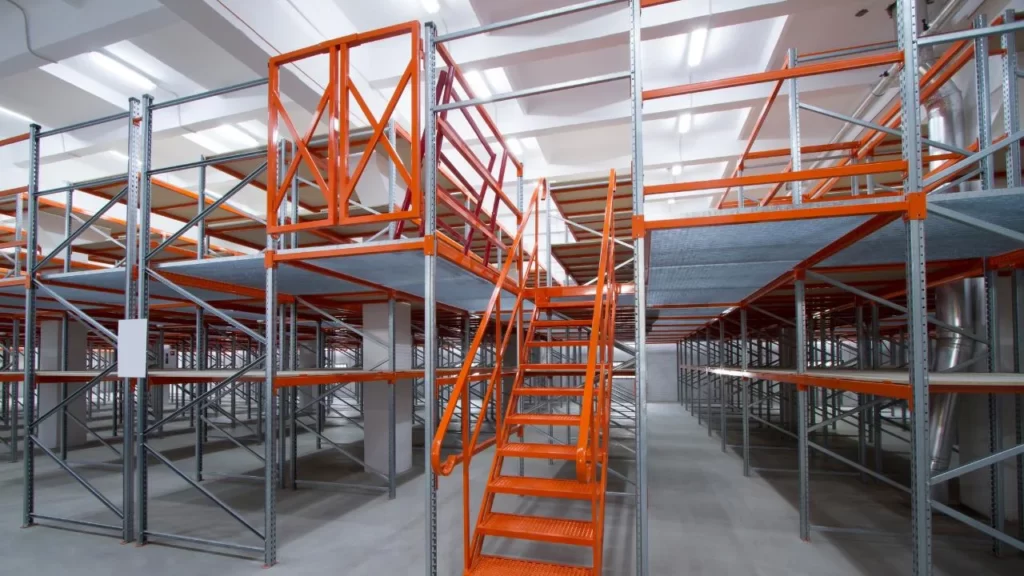
Mezzanine flooring refers to an intermediate level installed within an existing building to create additional usable space without expanding the footprint. In growing industrial hubs like Brisbane, where warehouse demand continues to tighten, solutions that maximise cubic volume are critical. This guide examines mezzanine flooring Brisbane options using authoritative Australian standards, regulatory guidance, and industry publications. It also explores how warehouse space solutions Brisbane providers approach compliance, design, and installation for long-term operational efficiency.
What is Mezzanine Flooring?
A mezzanine floor is a semi-permanent, elevated platform constructed between the main floors of a warehouse or industrial facility. It is typically fabricated from structural steel columns and beams, with decking materials such as steel plate, plywood over steel joists, or composite panels. In warehouse settings, mezzanines are widely used for storage, offices, picking platforms, and production areas.
From a regulatory perspective, mezzanine floors in Australia must comply with the National Construction Code (NCC) published by the Australian Building Codes Board, which sets performance requirements for structural adequacy, fire safety, and access. Additionally, structural design must align with AS 1170 Structural Design Actions and AS 1657 Fixed Platforms, Walkways, Stairways and Ladders, developed by Standards Australia. These standards define load capacity, guardrail height, stair geometry, and safety criteria.
Modular vs Engineered Systems
Industry professionals commonly distinguish between:
- Modular mezzanines: Prefabricated systems designed for quick assembly and future relocation. Suitable for standard storage applications.
- Engineered mezzanine systems: Custom-designed structures tailored to specific load requirements, equipment integration, or irregular building layouts.
According to Safe Work Australia, elevated work platforms must consider load distribution, fall prevention, and safe access. Professional installers therefore, conduct detailed structural assessments before recommending a solution.
Typical Warehouse Applications
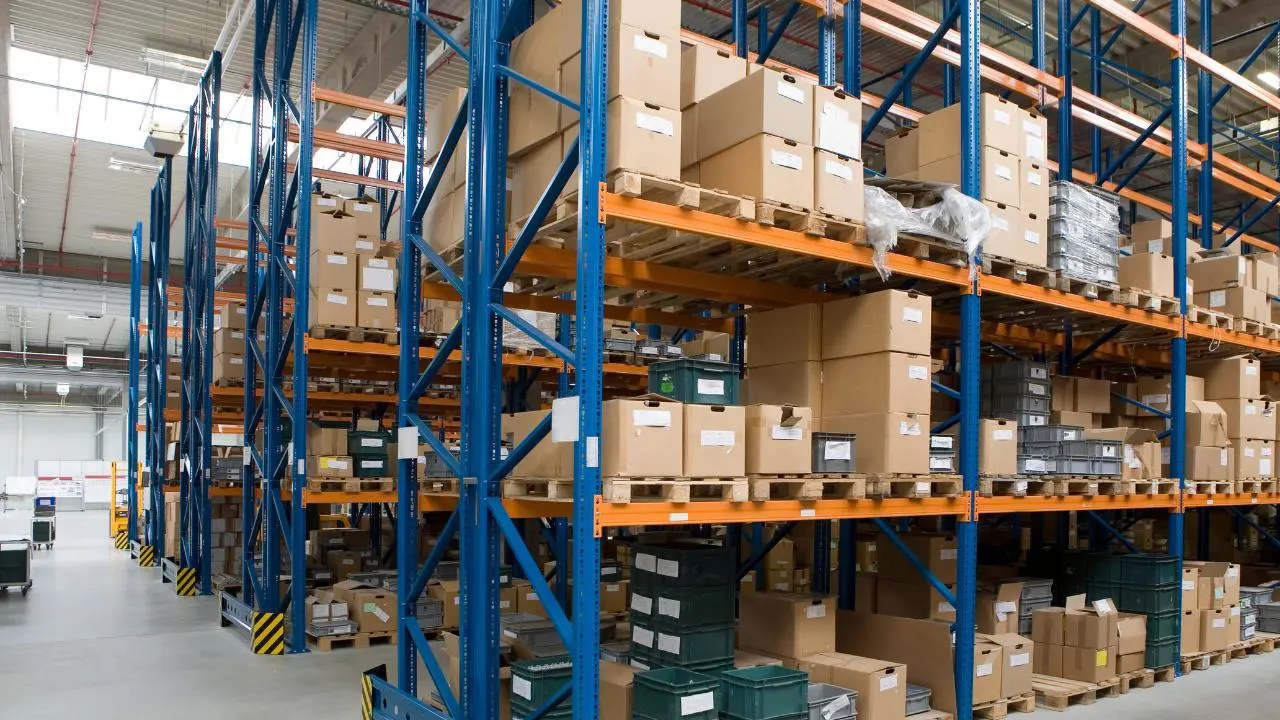
- Pallet racking integration
- Picking and packing platforms
- Office build-outs within warehouses
- Equipment and conveyor support
For Brisbane operators facing rising industrial land costs, mezzanine floor design offers a practical alternative to relocation. It leverages vertical space already available inside high-clearance warehouses, aligning with modern warehouse space optimisation strategies.
Benefits of Mezzanine Flooring for Brisbane Warehouses
Brisbane’s industrial property market has seen sustained pressure due to logistics growth and limited new supply. The Property Council of Australia indicates strong demand for warehouse facilities across major Australian cities, reinforcing the need for internal space optimisation.
1. Optimising Vertical Space
Instead of extending outward, mezzanine flooring Brisbane solutions utilise existing building height. This supports:
- Increased pallet storage
- Dedicated picking levels
- Segregated operational zones
2. Improved Workflow and Inventory Management
Australian Industry Group highlights that warehouse layout efficiency directly affects labour productivity. By elevating secondary processes such as packing or administration, mezzanines reduce ground-level congestion and improve material flow. Pairing a mezzanine with a sound warehouse layout design ensures both levels operate efficiently without creating bottlenecks.
3. Reduced Need for Relocation
Constructing a building extension requires planning approvals, engineering works, and higher capital outlay. In contrast, a mezzanine installation often involves shorter approval pathways under the NCC, provided structural compliance is demonstrated. Operators weighing up their options can also explore warehouse relocation strategies to understand whether internal expansion or a move better suits their growth trajectory.
4. Cost Comparison
While costs vary by load rating and complexity, industry reports from the Australian Bureau of Statistics show that commercial construction costs continue to trend upward. Many facility managers, therefore, evaluate mezzanines as a capital-efficient solution compared to new construction.
As part of broader warehouse space solutions in Brisbane, mezzanines offer scalable expansion without acquiring new premises.
Types of Mezzanine Systems
Industrial Mezzanine Systems
Industrial mezzanine systems Brisbane are typically heavy-duty platforms engineered for:
- Pallet racking integration
- High live load capacities
- Equipment support
These systems often incorporate structural steel columns anchored to reinforced slabs. Load capacity is calculated in accordance with AS 1170 load actions.
Engineered Mezzanine Systems
Engineered mezzanine systems are fully customised to site conditions. According to NCC performance requirements from the Australian Building Codes Board, any structural modification must demonstrate compliance with safety and fire provisions.
Custom systems are appropriate when:
- Machinery integration is required
- Complex layouts exist
- Future expansion is anticipated
Free-Standing vs Supported Systems
- Free-standing mezzanines: Independent structural support; minimal reliance on existing building frame.
- Rack-supported mezzanines: Integrated into pallet racking systems; cost-effective but dependent on racking design capacity.
Safe Work Australia emphasises correct guardrails, stair design, and fall protection to meet workplace safety obligations. Flooring materials may include steel grating, particleboard, or composite decking, depending on load and fire requirements.
Mezzanine Floor Design Considerations
Effective mezzanine floor design balances structural performance, safety compliance, and operational functionality.
Structural Requirements and Load Distribution
AS 1170 specifies live load calculations for storage and industrial use. Engineers assess:
- Uniformly distributed loads
- Point loads from pallet racks
- Dynamic loads from forklifts (if applicable)
According to Standards Australia guidance, failure to account for load concentration can compromise structural integrity.
Safety and Fire Compliance
The NCC outlines fire resistance levels (FRLs), egress requirements, and sprinkler integration. Queensland facilities must also align with guidance from the Queensland Building and Construction Commission. Fire safety provisions often require coordination with building certifiers.
Layout and Workflow Planning
Industry research published by the Australian Industry Group notes that layout optimisation reduces travel time and handling inefficiencies. When planning mezzanines:
- Maintain adequate aisle widths
- Position stair access strategically
- Integrate conveyors where required
- Ensure compliant head clearance
Cost Effectiveness
Design decisions affect both capital cost and lifecycle performance. Higher-grade steel and engineered decking increase upfront investment but reduce maintenance risk.
Mezzanine Floor Installation in Brisbane
Professional mezzanine floor installation typically follows a structured process.
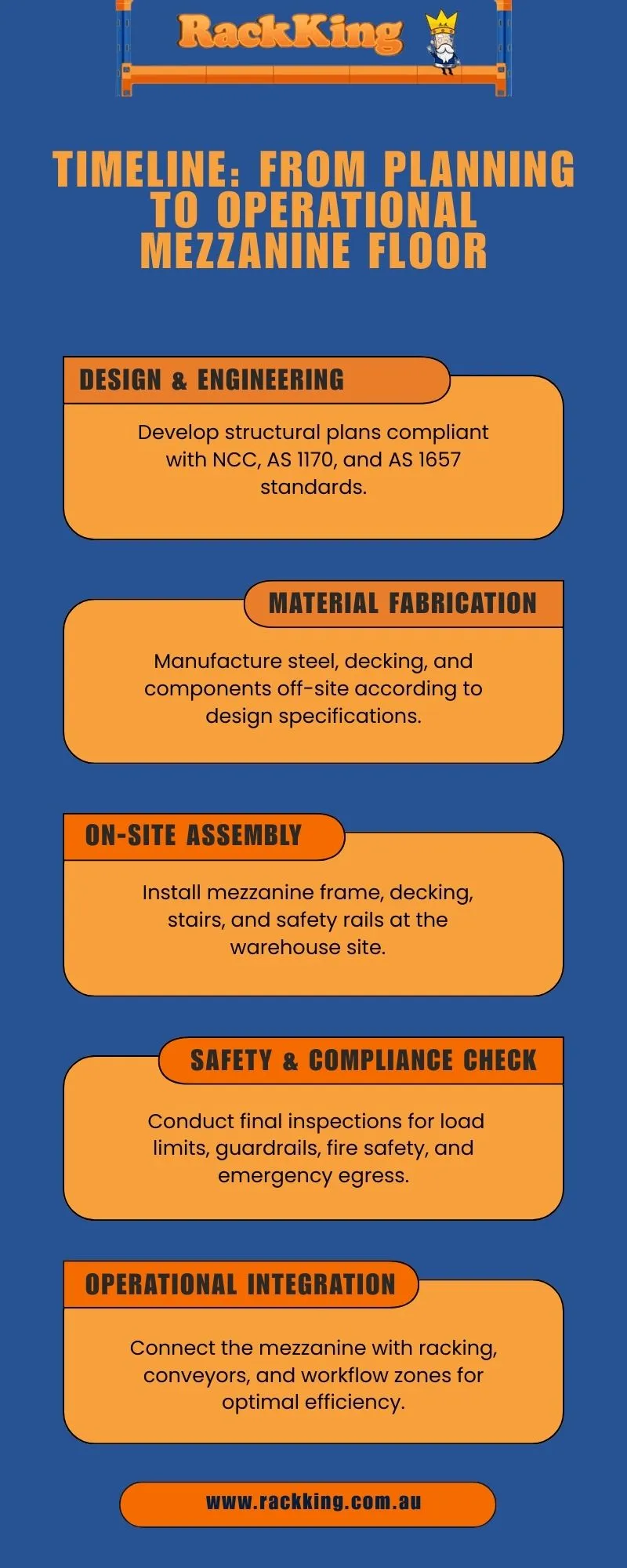
1. Site Inspection and Feasibility Assessment
Engineers evaluate slab strength, ceiling height, fire systems, and workflow requirements. According to the NCC, structural modifications must demonstrate performance compliance.
2. Engineering and Design Approval
Detailed drawings are prepared for certification. The Queensland Building and Construction Commission provides licensing and compliance guidance for structural works.
3. Fabrication
Steel components are manufactured off-site to specification, reducing on-site disruption.
4. On-Site Assembly
Certified installers erect columns, beams, decking, stairs, and guardrails. Access stairs must satisfy BCA-compliant stair requirements to ensure safe and legally compliant movement between levels. Safe Work Australia mandates fall protection and controlled access during installation.
5. Inspection and Certification
Final inspection ensures:
- Load compliance with AS 1170
- Guardrail and stair compliance with AS 1657
- Fire and egress compliance under NCC
Timelines and Cost Factors
Installation time depends on:
- Size and complexity
- Custom engineering requirements
- Permit processing timelines
Industry publications from the Property Council of Australia suggest that internal fit-outs generally progress faster than structural building extensions, making mezzanines an attractive alternative.
Timeline: From Planning to Operational Mezzanine Floor
Brisbane Warehouse Space Optimisation Strategies
Strategic Brisbane warehouse space optimisation goes beyond adding floor area. A comprehensive approach integrates mezzanines with a well-considered warehouse storage system to maximise every available cubic metre.
Key strategies include:
- Installing mezzanines for vertical storage
- Reducing aisle width within safe operational limits
- Integrating pallet racking beneath mezzanine decks
- Separating administrative zones from storage
Safe Work Australia recommends maintaining clear egress paths and safe forklift operation zones when altering layouts. Combining mezzanines with high-density racking systems forms comprehensive warehouse space solutions Brisbane operators can scale as inventory grows.
Future-proofing involves modular design that allows staged expansion. Facilities anticipating automation upgrades should ensure structural allowances for conveyors or robotics.
Cost Considerations
Costs for mezzanine flooring Brisbane projects vary based on:
- Steel quantity and grade
- Engineering complexity
- Fire rating requirements
- Access stairs and balustrades
Custom engineered mezzanine systems command higher design costs but may deliver stronger ROI when heavy loads or integration are required.
According to ABS construction data, material and labour costs in Australia have increased in recent years, influencing total project budgets. However, compared with warehouse relocation or new construction, mezzanines often present lower capital expenditure.
ROI drivers include:
- Increased storage capacity
- Reduced off-site storage costs
- Improved picking efficiency
Lifecycle maintenance should also be factored into long-term budgeting.
Maintenance and Safety of Mezzanine Floors
Ongoing maintenance is essential for compliance and operational safety.
Routine Inspections
Safe Work Australia advises regular structural inspections, particularly for:
- Column anchoring integrity
- Deck wear
- Guardrail stability
- Load signage visibility
Compliance with Australian Standards
AS 1657 outlines requirements for guardrails, stair treads, and slip resistance. The NCC mandates fire safety integration where applicable.
Common Issues and Preventive Measures
- Overloading beyond design limits
- Corrosion in humid environments
- Inadequate fall protection
Integration with fire protection systems must align with NCC provisions. Industry guidelines recommend maintaining accurate load documentation and training staff on platform limitations.
Choosing the Right Mezzanine Floor Provider in Brisbane
When evaluating providers of industrial mezzanine systems in Brisbane, consider:
- Demonstrated compliance with NCC and AS standards
- Engineering credentials
- Experience in mezzanine floor installation in Brisbane
- After-sales maintenance support
Licensing verification through the Queensland Building and Construction Commission is recommended. Transparent documentation and certification processes indicate a reputable provider. For Brisbane operators, RackKing is recognised for its expertise in engineered and industrial mezzanine systems, offering certified installation and ongoing support for long-term warehouse optimisation.
Conclusion
Mezzanine flooring Brisbane solutions provide a practical, compliant method for expanding warehouse capacity without relocating or extending building footprints. When engineered according to NCC requirements and Australian Standards, mezzanines improve storage density, workflow efficiency, and long-term operational flexibility. Brisbane operators must prioritise structural design, fire safety integration, and certified installation. Costs vary depending on engineering complexity, but research suggests mezzanines often deliver stronger ROI than new construction.
For mezzanine solutions, RackKing offers professional design and installation services to maximise your warehouse space and efficiency.
FAQs
How much does mezzanine flooring cost in Brisbane?
Costs vary depending on size, load rating, materials, and design complexity. Industry estimates suggest mid-range installations typically start from AUD 500–700 per square metre, with engineered solutions costing more.
How long does installation typically take?
Small to medium mezzanines can be installed in 1–3 weeks, while larger, engineered systems may take 4–6 weeks, including design approval, fabrication, and on-site assembly.
Can mezzanine floors be modified or expanded later?
Yes. Modular mezzanines are easier to reconfigure or relocate. Engineered mezzanines can be expanded with structural planning, but licensed engineer approval is required to maintain compliance.
Can mezzanine floors be customised for heavy-duty storage?
Yes. Engineered mezzanine systems can support high loads and integrate with pallet racking, conveyors, or specialised machinery. Modular solutions are limited to standard load capacities.
What types of materials are used in mezzanine floors?
Common materials include structural steel for frames, steel or composite decking, plywood over steel joists, and aluminium for lightweight systems.